EARLIER BUNNY · EXACT MATCH24 / 24
MiniMax M3
Every phrase adds the same number of tokens as it did for Bunny in the earlier comparison. A complete match for that snapshot.
REVEALED: AN EARLY MINIMAX M3.1 FLASH
Meet space-bunny-alpha. For nearly four weeks it hopped around anonymously, with a million-token context and image and video input. On 19 October, MiniMax took off the helmet: Space Bunny was an early version of MiniMax M3.1 Flash.
Independent field guide · Revealed
DEMODOKOS / LOCAL AI AUDIO
Demodokos makes expressive dialogue and original music on your PC.
Hear a scene below.
A little ear candy.
Scene 01 · Demodokos demo
01 SCORES & MODEL COMPARISONS
Space Bunny Alpha’s AI BENCHY, GPQA Diamond, MMLU-Pro and Humanity’s Last Exam (HLE) scores, token efficiency and model comparisons.
Perfect category scores in
data extraction & tool calling.
Graduate-level questions in
biology, chemistry & physics.
Reasoning across science,
humanities & professional subjects.
An unusually strong result
relative to its other benchmarks.
1 Our GPQA Diamond result covers a 60-question subset. Other models: published reference results.
TOKEN EFFICIENCY · OUR BENCHMARK RUNS
About one-third of Qwen3.8 Flash’s output tokens: 67% fewer on the same benchmarks.
Qwen3.8 Flash N/A· gpt-oss-20b N/A
High is the strongest published run in this snapshot.
Consistency 8.5/10 · API reliability 10.0/10 in the high run.
Best published configuration in this comparison, as of 25 Sep 2026. AI BENCHY combines correctness and consistency across 22 private tests with repeated attempts. A test is fully passed only when every attempt succeeds; the attempt pass rate counts individual attempts.
| Model / source | Score | Reasoning | Fully passed | Attempt pass rate | Avg. response |
|---|---|---|---|---|---|
| GPT-6 Sol 6.0 | 9.9 | high | 21/22 | 95.5% | 22.21s |
| GPT-5.5 | 9.3 | low | 19/22 | 86.4% | 10.15s |
| Qwen3.8-27B | 8.4 | high | 16/22 | 77.3% | 167.89s |
| MiniMax M3 | 7.5 | medium | 11/22 | 62.1% | 75.15s |
| Space Bunny Alpha | 7.0 | high | 12/22 | 62.1% | 27.38s |
| gpt-oss-120b | 6.1 | medium | 9/22 | 50.0% | 20.81s |
| Qwen3.8 Flash | N/A | — | — | — | — |
| gpt-oss-20b | N/A | — | — | — | — |
Qwen3.8-27B ran locally on an RTX 3090, with OpenRouter used for judging. Response times reflect each run’s hardware and serving setup. N/A means no verified AI BENCHY entry in this snapshot.
Space Bunny’s high run: 24 Sep 2026, 02:23 · stealth/space-bunny-alpha::high. AI BENCHY methodology
1 Our GPQA Diamond result covers a 60-question subset. Other models: published reference results.
Space Bunny: our 60-question subset. GPT-6 Sol: independent audit on the original 198 questions. Qwen3.8 Flash uses Qwen’s published Flash-Next reference result.
| Model | Accuracy | Provenance |
|---|---|---|
| GPT-6 Sol 6.0 | 95.45% | Independent GPQA audit · 198 questions |
| GPT-5.5 | 93.6% | OpenAI-published result · xhigh; OpenAI research evaluation |
| MiniMax M3 | 92.9% | Artificial Analysis standardized evaluation |
| Qwen3.8 Flash | 91.7% | Qwen-published Flash-Next reference |
| Qwen3.8-27B | 89.2% | Qwen-published result |
| Space Bunny Alpha | 82.0% | Our 60-question subset |
| gpt-oss-120b | 80.1% | OpenAI-published result · high reasoning; no tools |
| gpt-oss-20b | 71.5% | OpenAI-published result · high reasoning; no tools |
Space Bunny Alpha: our evaluation. Other models: reference results. Qwen3.8 Flash’s ≈89.0% is approximate.
MMLU-Pro is a reasoning-focused multiple-choice benchmark with up to ten answer choices per question. Results below are accuracy percentages for MMLU-Pro.
| Model | Accuracy | Result |
|---|---|---|
| GPT-5.6 Sol | 89.1% | Reference result |
| Qwen3.8 Flash | ≈89.0% | Approximate reference |
| GPT-5.5 | 88.1% | Reference result |
| Qwen3.8-27B | 84.3% | Reference result |
| MiniMax M3 | 84.2% | Reference result |
| gpt-oss-120b | 80.8% | Reference result |
| Space Bunny Alpha | 75% | Our evaluation |
| gpt-oss-20b | 74.8% | Reference result |
Space Bunny Alpha: our 300-question subset of the original HLE dataset. Other models: reference results.
Humanity’s Last Exam (HLE) tests expert-level knowledge across a broad range of subjects. This evaluation uses 300 questions from the original HLE dataset.
Our HLE accuracy is 46.1%, with a standard error of 2.9 percentage points. The approximate 95% confidence interval uses a normal approximation: 46.1% ± 1.96 × 2.9 percentage points = 40.4–51.8%. This describes sampling uncertainty for the subset estimate.
Additional reported accuracy: 45.0%. 7 questions were unscored.
| Model | Accuracy | Result |
|---|---|---|
| GPT-5.6 Sol | 49.5% | Reference result |
| GPT-6 Sol | 47.9% | Reference result |
| Space Bunny Alpha | 46.1% | Our evaluation · 300-question subset |
| GPT-5.5 | 45.8% | Reference result |
| MiniMax M3 | 39.0% | Reference result |
| Qwen3.8 Flash | 38.0% | Reference result |
| Qwen3.8-27B | 33.9% | Reference result |
| gpt-oss-120b | 14.9% | Reference result |
| gpt-oss-20b | 10.9% | Reference result |
02 THE SVG LAB
Moon bunnies, portraits and improbable passengers. See what Space Bunny draws with SVG code.
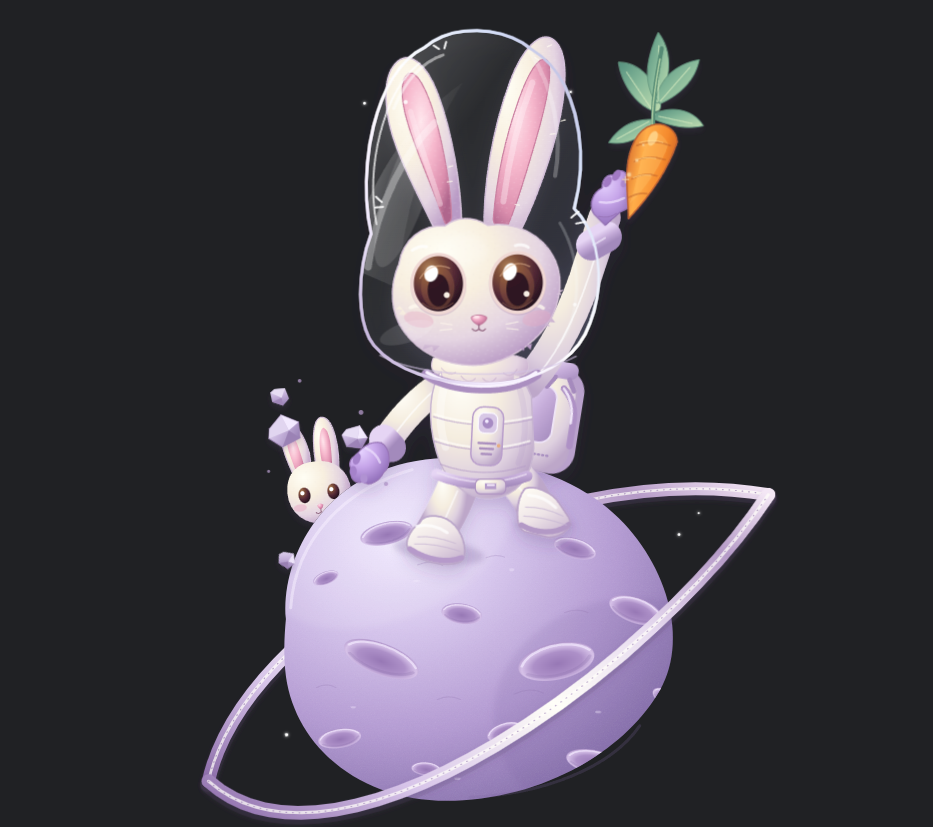
Notice the helmet reflections and the smaller bunny peeking over the moon.Before 29 Sep
An astronaut rabbit reaches for a carrot above a small moon while a younger companion peeks into view. The scene tests expressive characters, spatial relationships and material detail.
29 Sep onward
An astronaut rabbit reaches for a carrot above a small moon while a younger companion peeks into view. The scene tests expressive characters, spatial relationships and material detail.

Before 29 Sep
An SVG interpretation of the Mona Lisa tests facial likeness, anatomy and the composition of a familiar portrait.
29 Sep onward
An SVG interpretation of the Mona Lisa tests facial likeness, anatomy and the composition of a familiar portrait.


Before 29 Sep
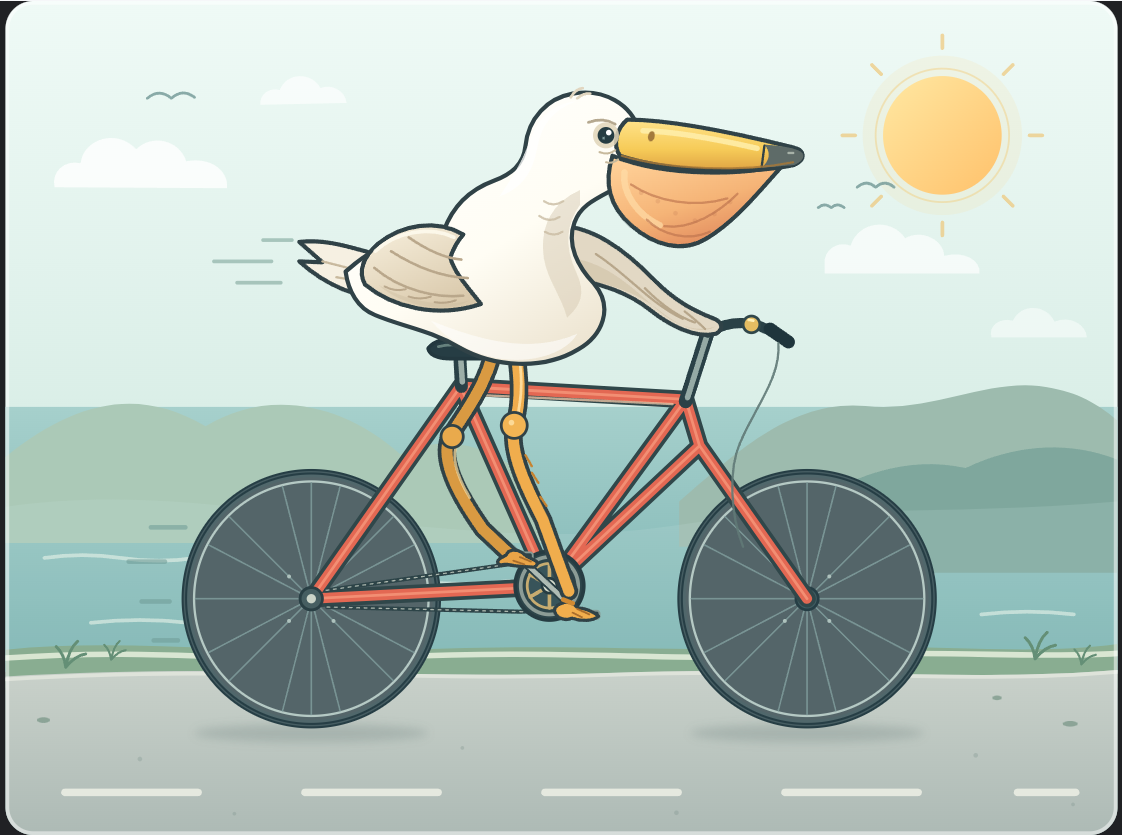
A cycling pelican tests anatomy, riding posture and contact between the bird and the bicycle.
29 Sep onward
A cycling pelican tests anatomy, riding posture and contact between the bird and the bicycle.

Before 29 Sep
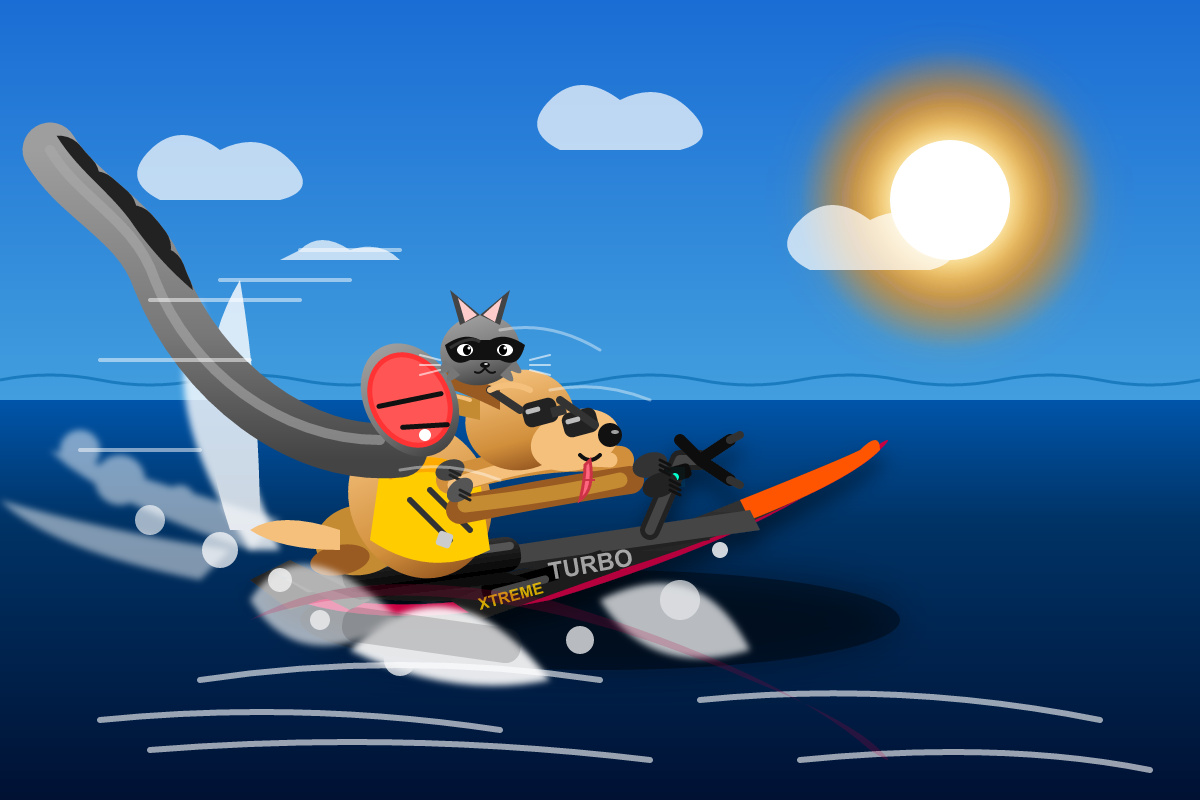
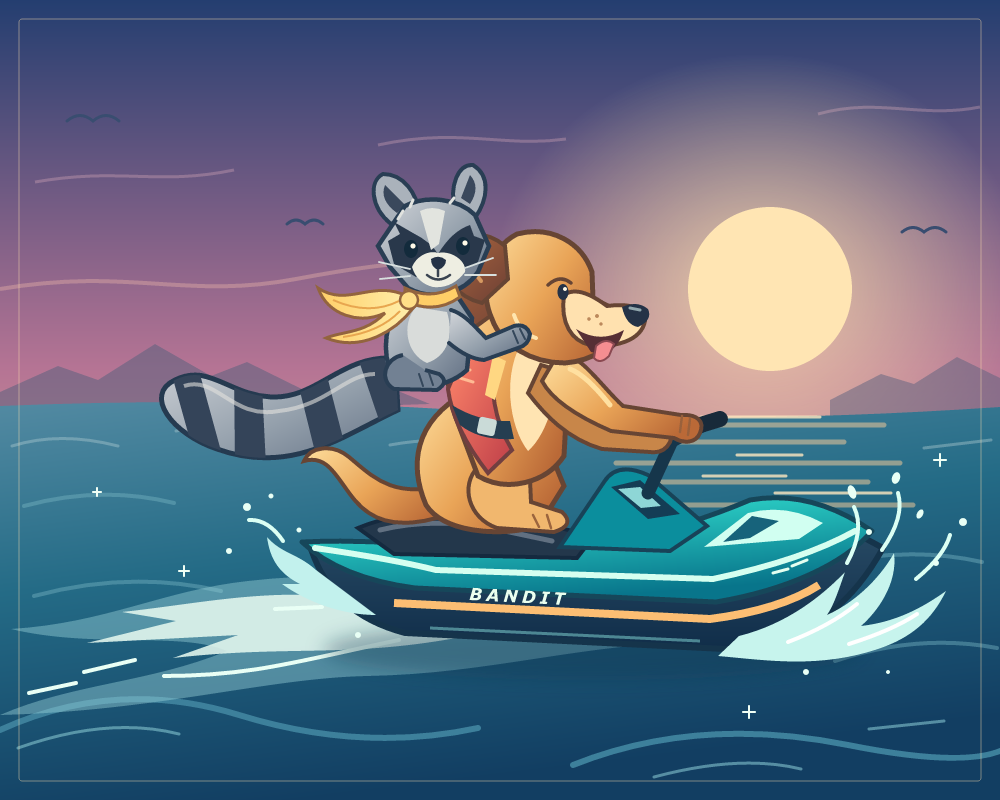
A jet-ski scene pairs a canine driver with a raccoon passenger. It tests the placement and contact of interacting subjects, along with vehicle construction.
29 Sep onward
A jet-ski scene pairs a canine driver with a raccoon passenger. It tests the placement and contact of interacting subjects, along with vehicle construction.


Before 29 Sep
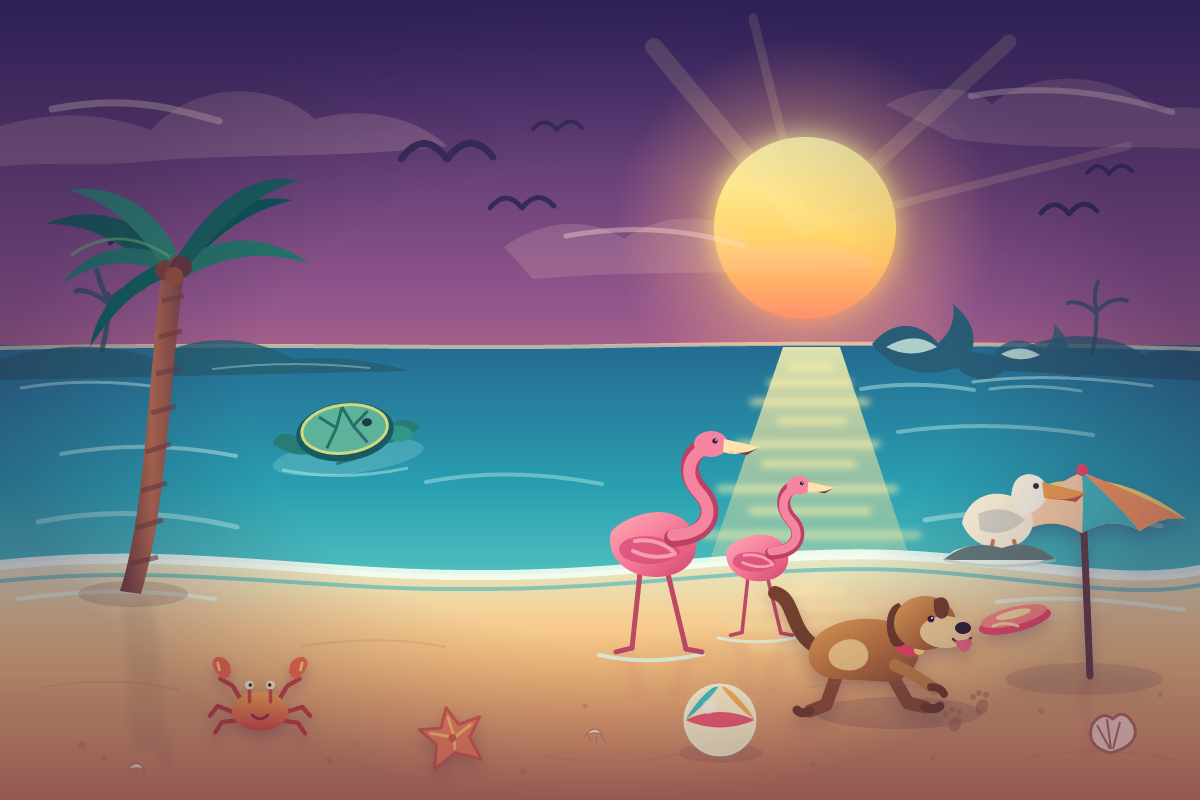
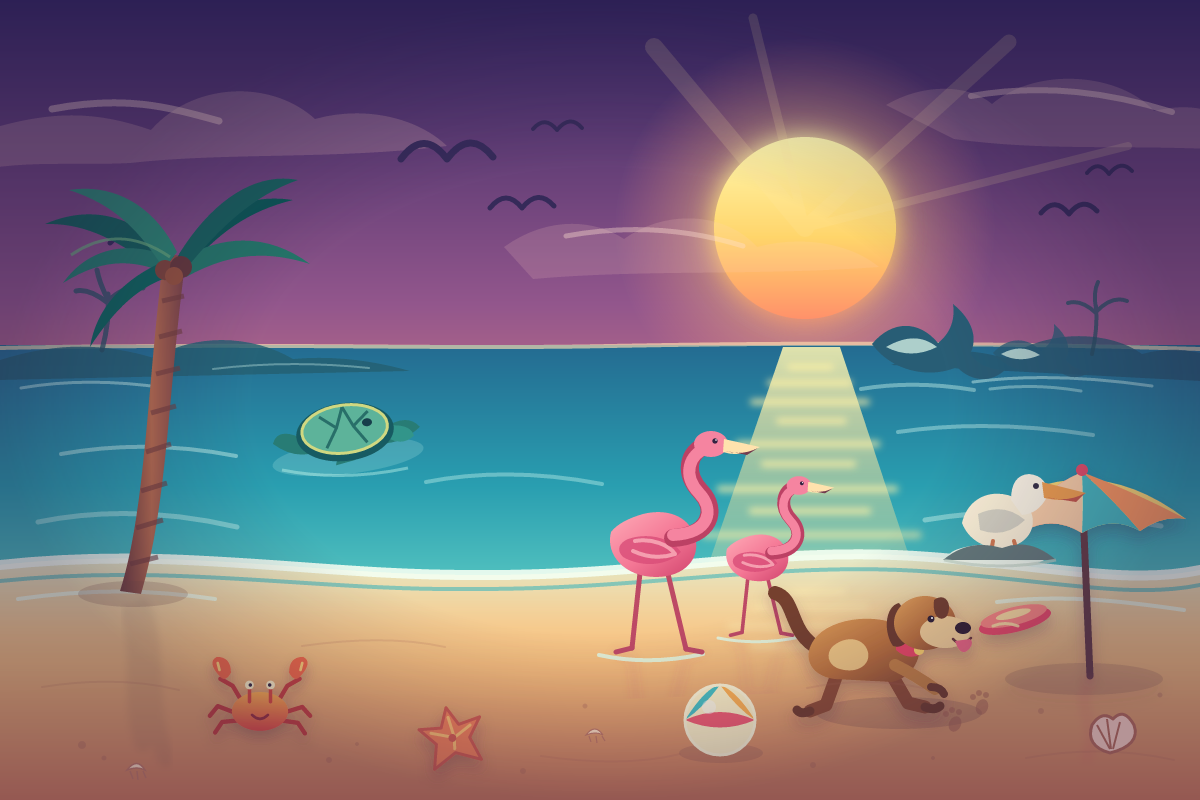
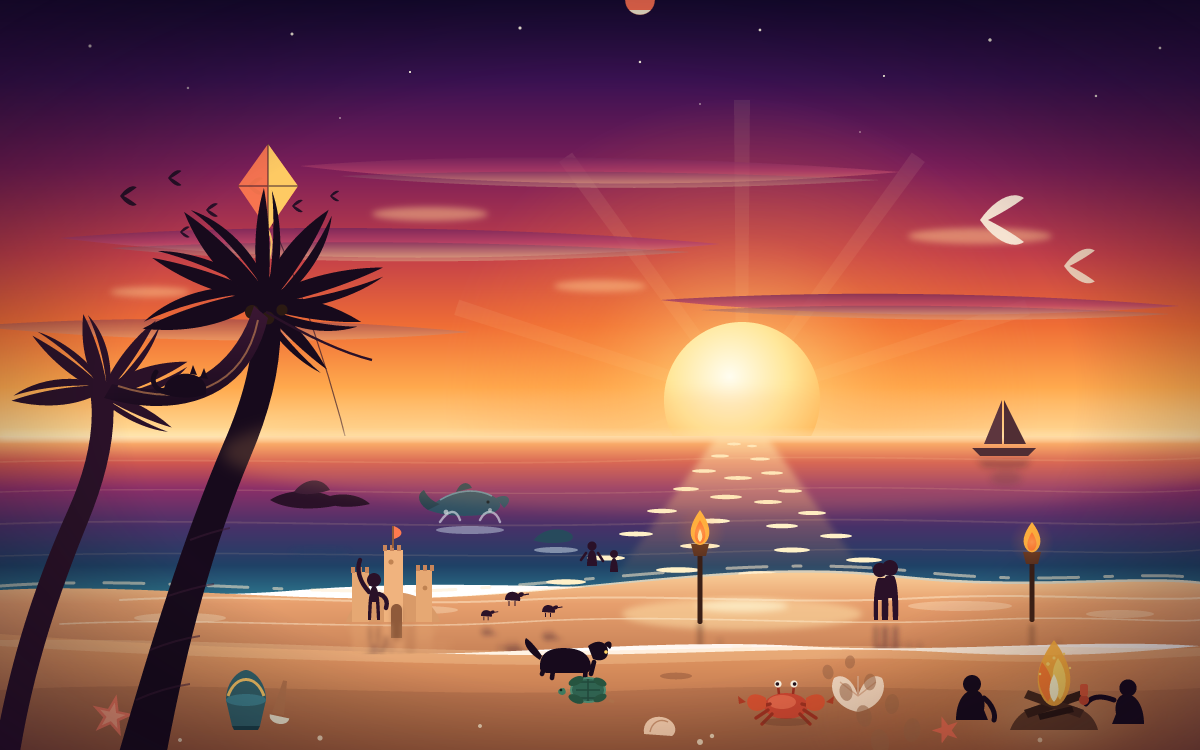
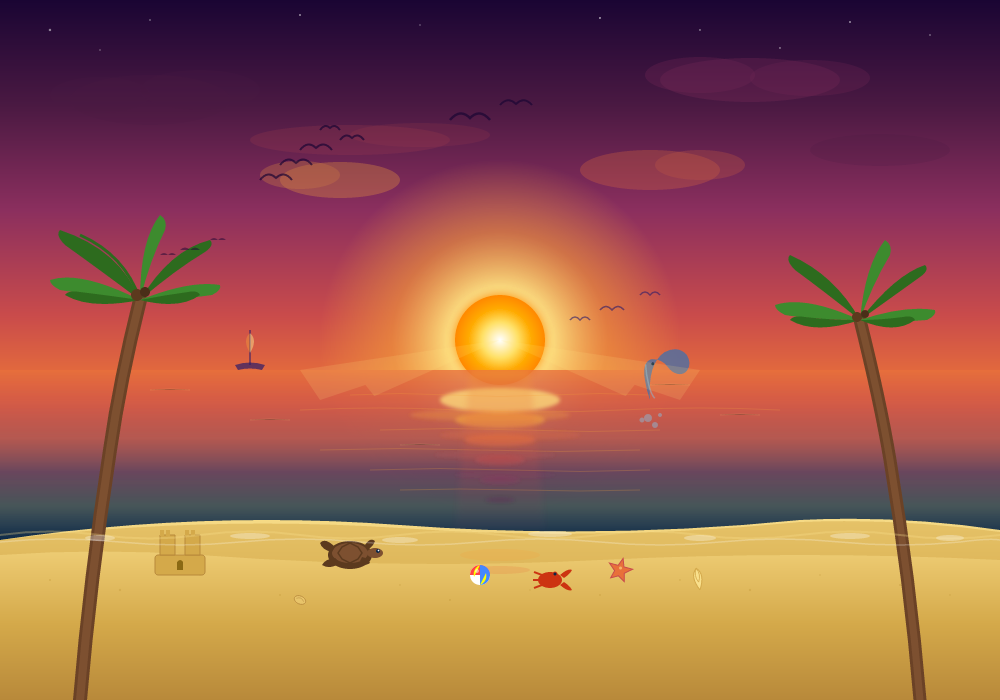
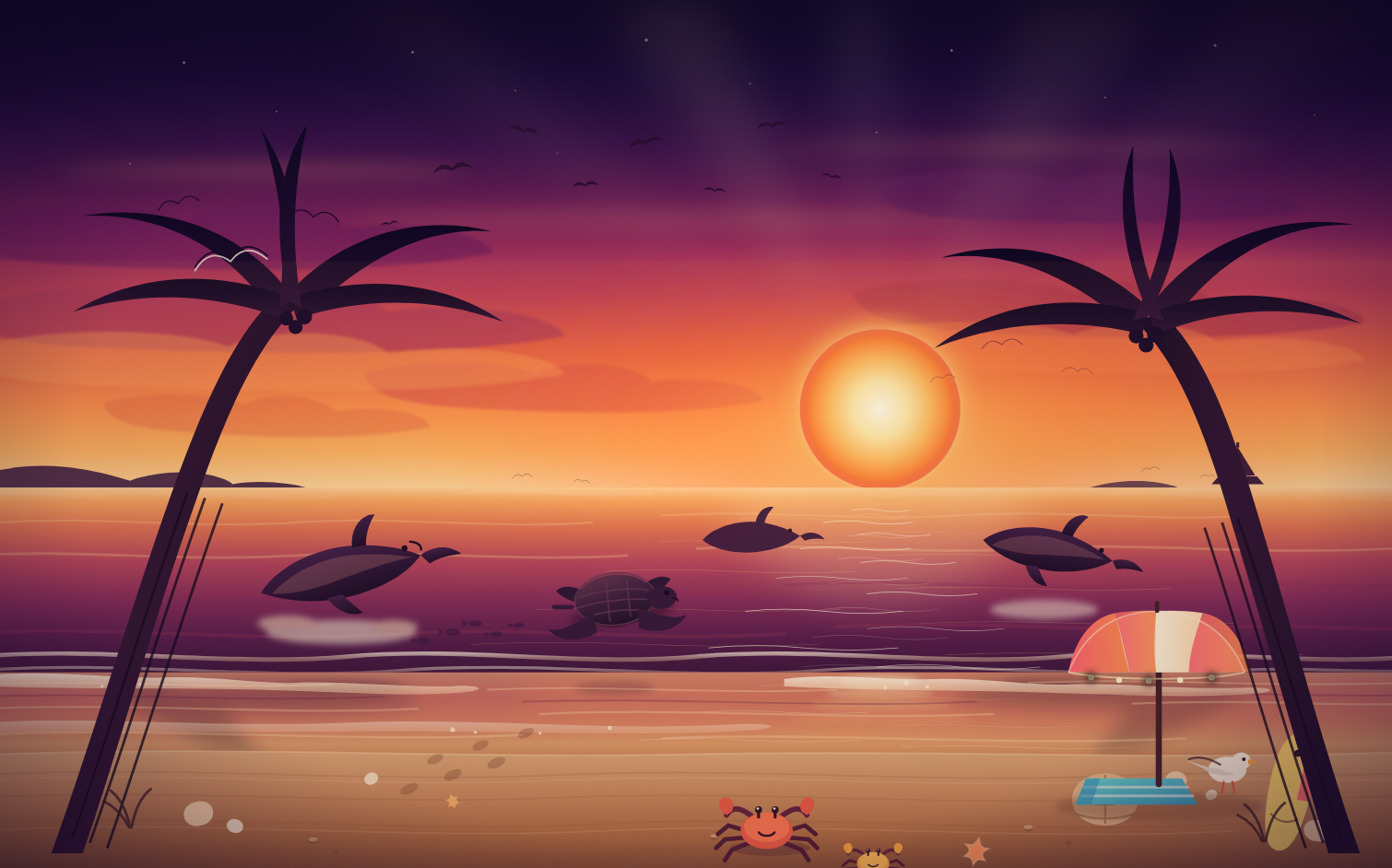
A busy shoreline at sunset tests scene composition, animal forms and the relationship between light and water reflections.
29 Sep onward
A busy shoreline at sunset tests scene composition, animal forms and the relationship between light and water reflections.

THE EVERYDAY DETAILS
Archived OpenRouter snapshot · 24 Sep 2026
P50 = median
How fast it writes. OpenRouter P50 throughput, best across providers. Dashboard filters: all reasoning efforts and all locations. Snapshot around 00:28 UTC on 24 September 2026.
How quickly it responds. OpenRouter P50 latency, best provider. Filters: all reasoning efforts and all locations. Snapshot around 00:28 UTC on 24 September 2026.
Requests that got a response. OpenRouter’s 3-day dashboard measures whether inference returned from at least one provider. Reachability is separate at 97.70%; 24-hour inference availability is 95.60%. Snapshot around 00:28 UTC on 24 September 2026; model listed 23 September.
3/3 codes recovered in one 200K-token run. Found three different codes hidden in a very long input, and returned them in the correct order.
All three distinct codes were returned in order in one trial containing 200,044 local tokens and 200,187 reported prompt tokens.
Independent OpenCode Go test ↗| Route | 24h avg. speed | Latest first text | 24h successful tests |
|---|---|---|---|
| OpenCode Go | 94.3 tok/s | 1.2s | 7/7 |
| OpenCode Zen | 84.9 tok/s | 1.6s | 4/4 |
Same HTTP-routing writing task, 300-token output cap. Method ↗ · Go results ↗ · Zen results ↗
03 BUNNY UNMASKED
MiniMax took off the helmet. Its 19 October launch post says Space Bunny “was an early version of MiniMax M3.1 Flash.” Our token counts called the family on 29 September: MiniMax M3 matched all 24 test phrases. The GPT router theory we led with from 30 September is superseded.

MiniMax says “an early version”. It has not said whether Space Bunny matches the M3.1 Flash Preview that MiniMax Code listed on 27 September or the 19 October release, or whether the change our researchers saw on 29 September was a new checkpoint. Our results describe the stealth model.
OpenCode announced an improved Bunny and a free preview through at least around DevDay, then sponsored a few more days while the model was tuned for its reveal. MiniMax made that reveal on 19 October.
We tested the same 24 phrases across 28 models on 29 September. MiniMax M3 matched every input-count increment in Bunny’s results; Sol 6.1 matched seven. On 19 October, MiniMax confirmed that Space Bunny was an early version of MiniMax M3.1 Flash.
What we measured, and what it turned out to be. The count match pointed to MiniMax’s tokenizer family; it could not name a release. From 30 September we ranked runtime clues above it. The reveal shows the counts were the signal to follow.
Our 27 September M3.1 Flash test drawings look markedly different from Bunny’s, and we judged an exact Flash match unlikely. MiniMax now calls Bunny an early version, which fits a different checkpoint. The tasks were not identical, so the drawings cannot settle it.
The 24-phrase comparison was captured on 29 September, before the change our researchers observed that day.
Our 30 September assessment named a model fusion router with a GPT-6.1 Sol or Astra core. MiniMax’s reveal supersedes it; the probe findings below are dated observations.
Our 30 September probe returned Valid channels: analysis, commentary, final, summary. alongside # Juice. The system text reads You are an AI assistant accessed via API.
; a developer turn says You are a helpful assistant.
We read these as clues to an OpenAI-style runtime.
What we made of Juice and summary. Our analysis read # Juice as an OpenAI-specific reasoning-budget marker, and summary as a fourth internal channel that shows a summary while hiding the full reasoning. We took them as strong support for a GPT core. MiniMax’s statement does not explain why they appeared.
Our probe shows earlier turns compressed into developer messages. Within a few turns, the summaries lose Bunny’s own codename. This points to active context management that does not reliably preserve its assigned identity. We explained it with per-turn summarization and model selection. The summarization is what we observed; the model selection was our inference.
Three layers, one model. Our theory gave GPT the core reasoning, MiniMax-type counting the input usage and DeepSeek V4 Flash the visible reasoning. MiniMax names one model, M3.1 Flash, so we no longer assign these layers.
Before DevDay, Bunny’s visual style closely resembled GPT-6 Sol’s. Within hours of OpenAI releasing GPT-6.1 Sol, Bunny’s behavior changed abruptly and its visual style became strikingly similar to Sol 6.1’s. We inferred a reasoning-core upgrade; MiniMax’s reveal supersedes that inference. Whether MiniMax shipped a new stealth checkpoint that day is unknown. Compare the raccoon and beach benchmark results.
Who made it? MiniMax. Our candidates had been OpenAI, Pareto or another operator with enough API funding.
OpenAI’s Harmony guide provides the reference for the role structure and three main channels. The probe’s fourth summary channel, # Juice marker and developer-turn compression were central to our superseded GPT router assessment.
V4 Pro: 83.8 / 100. V4.1 Flash: 82.6 / 100.
Across 48 prompts, DeepSeek is closest to Bunny’s earlier reasoning habits. Shared “We need answer” openings and clipped “Need…” planning stand out. This measures shared habits; it does not show that DeepSeek produced Bunny’s reasoning.
Habits are not identity. Our router theory gave DeepSeek V4 Flash the exposed reasoning channel. MiniMax’s reveal supersedes that assignment; the scores still show how closely Bunny’s visible reasoning resembled DeepSeek’s.
The earlier tokenizer test matches on 9 of 24 phrases. The SVG comparison weighs against an exact V4 Pro match. These measurements remain dated history.
Qwen3.8 2.4T-A95B is the closest model outside DeepSeek in the earlier study. Qwen3.8 27B follows at 69.9 and Max-0902 at 69.2.
Qwen3.8 Flash’s five SVG results differ in style and construction. The earlier count test gives Qwen3.8 only 3 matches out of 24. These comparisons weaken the proposed Qwen4 Flash connection; Qwen4 itself has not been tested here.
EARLIER TOKEN COUNTS · 29 SEP 2026
Measured on 29 September, before the change our researchers saw that day. Across 28 models, MiniMax M3 matches all 24 phrases; GPT 6.1 Sol matches seven. MiniMax later revealed Bunny as an early M3.1 Flash.
Counted carrots.
Called it.
Every phrase adds the same number of tokens as it did for Bunny in the earlier comparison. A complete match for that snapshot.
17 of 24 counts differ. The average gap is 1.375 tokens per phrase. This compares Sol with the earlier Bunny results, before the observed improvement.
Same count as Bunny Different countOne square per phrase
The counts pointed to MiniMax. From 30 September we ranked our Harmony and context clues above them and placed these counts at an input layer. MiniMax’s 19 October reveal supersedes that router reading. A count match shows a shared tokenizer, not an exact release.
EXPLORE THE EARLIER COUNTS
EXACT TEST TEXTI can't believe it's already Tuesday.
All three models add 7 tokens for this phrase.
| Test phrase | Bunny Earlier results | MiniMax M3 | GPT 6.1 Sol |
|---|---|---|---|
English sentenceI can't believe it's already Tuesday. | 7 | 7 | 7 |
Long English wordshyperparameterization and counterrevolutionaries | 7 | 7 | 8 |
German compound wordDonaudampfschifffahrtsgesellschaft | 11 | 11 | 10 |
German sentenceFünf Straßenbahnen überqueren die Brücke. | 13 | 13 | 13 |
Simplified Chinese今天天气很好,我们去图书馆。 | 7 | 7 | 10 |
Traditional Chinese今天天氣很好,我們去圖書館。 | 10 | 10 | 11 |
Japanese今日は図書館で新しい本を読む。 | 7 | 7 | 11 |
Korean오늘은 도서관에서 새 책을 읽어요. | 9 | 9 | 12 |
Arabicاللغة العربية جميلة، أليس كذلك؟ | 10 | 10 | 9 |
Hindiनमस्ते दुनिया, आज मौसम सुहाना है। | 19 | 19 | 13 |
Mixed scripts: cities東京Berlin上海2026 | 5 | 5 | 5 |
Mixed scripts: greetingmañana東京مرحبا42 | 8 | 8 | 6 |
Code: identifierHTTPRequest.parseJSON(user_id_42) | 9 | 9 | 8 |
Code: expressionconst café = arr?.map(x => x**2) ?? []; | 15 | 15 | 14 |
Math: summation∑_{i=1}^{n} i² = n(n+1)(2n+1)/6 | 22 | 22 | 23 |
Math: logic∀x∈ℝ: x²≥0 ⇒ √(x²)=|x| | 19 | 19 | 20 |
Number sequences00000123456789 3.141592653589793 | 13 | 13 | 13 |
Date and time2026-09-29T23:59:59.123+02:00 | 18 | 18 | 18 |
Accented letterscafé naïve coöperate | 6 | 6 | 7 |
Accents as separate characterscafé naïve coöperate | 6 | 6 | 10 |
Joined emoji👩🏽💻👨👩👧👦🇩🇪 | 21 | 21 | 22 |
Mixed emoji🙂🙃✨❤️🔥🧑🚀 | 13 | 13 | 13 |
Spaces, tab and newlinealpha beta gamma delta | 8 | 8 | 8 |
Web addresshttps://例え.テスト/a_b?q=über&n=42#frag | 17 | 17 | 18 |
| Model | Matching phrases | Average token gap |
|---|---|---|
| minimax/minimax-m3 | 24 / 24 | 0.00 |
| deepseek/deepseek-v4-pro-0813 | 9 / 24 | 1.17 |
| deepseek/deepseek-v4.1-flash | 9 / 24 | 1.17 |
| x-ai/grok-4.7 | 9 / 24 | 2.42 |
| openai/gpt-6-astra | 7 / 24 | 1.38 |
| openai/gpt-6-luna | 7 / 24 | 1.38 |
| openai/gpt-6-sol | 7 / 24 | 1.38 |
| openai/gpt-6.1-sol | 7 / 24 | 1.38 |
| openai/gpt-oss-120b | 7 / 24 | 1.38 |
| tencent/hy3 | 7 / 24 | 2.29 |
| moonshotai/kimi-k3 | 6 / 24 | 2.42 |
| z-ai/glm-5.3 | 5 / 24 | 2.38 |
| z-ai/glm-5.3-flash | 5 / 24 | 2.38 |
| z-ai/glm-5.3-flashx | 5 / 24 | 2.38 |
| z-ai/glm-5.3-prime | 5 / 24 | 2.38 |
| xiaomi/mimo-v2.6-flash | 4 / 24 | 3.13 |
| xiaomi/mimo-v2.6-pro | 4 / 24 | 3.13 |
| mistralai/mistral-small-2603 | 4 / 24 | 4.83 |
| nvidia/nemotron-3.5-lightning | 4 / 24 | 4.83 |
| qwen/qwen3.8-2.4t-a95b | 3 / 24 | 3.42 |
| qwen/qwen3.8-27b | 3 / 24 | 3.42 |
| qwen/qwen3.8-flash | 3 / 24 | 3.42 |
| qwen/qwen3.8-max-0902 | 3 / 24 | 3.42 |
| qwen/qwen3.8-max-prime | 3 / 24 | 3.42 |
| qwen/qwen3.8-omni-flash | 3 / 24 | 3.58 |
| google/gemini-3.8-flash | 3 / 24 | 3.63 |
| anthropic/claude-sonnet-5.5 | 0 / 24 | 7.75 |
Stealth Models’ token-count comparison, measured on 29 September 2026 before Bunny’s observed update.
The comparison covers 24 phrases across 12 groups, including languages, code, numbers, emoji and spacing.
These are reported input-token increments, not recovered token IDs. A count match does not establish a shared developer. Both DeepSeek models match 9 of 24 phrases.
EARLIER REASONING SAMPLES
DeepSeek leads this comparison of Bunny’s reasoning habits. These samples precede the change observed on 29 September. MiniMax later revealed Bunny as an early M3.1 Flash.
Our study of
reasoning habits
V4 Pro scores 83.8; V4.1 Flash follows at 82.6. Qwen3.8 2.4T-A95B is next at 70.4. This measures shared planning and wording habits; it does not show that DeepSeek produced Bunny’s reasoning.
MiniMax leads the earlier token-count comparison but scores 56.2 here. Reasoning habits can resemble another family’s: the token counts, not this study, pointed to the developer MiniMax confirmed. Our superseded router theory once explained the gap with a separate DeepSeek reasoning layer.
We compare the recorded thinking for questions both models answered.
How they begin, restate a question, plan an answer and handle sensitive topics.
More matching habits give a higher score. 100 means all the scored features agree.
Our study covers 48 questions across eight topics. The score compares reasoning habits; it does not identify a developer.
Each model is one specific version. Higher scores mean more similar reasoning habits.
| Model | Overall | Adult topics | Ambiguity | Creative | Crisis support | Disclosure | Explanations | Politics | Math |
|---|---|---|---|---|---|---|---|---|---|
| deepseek/deepseek-v4-pro-0813 | 83.8 | 76.5 | 84.3 | 82.5 | 84.8 | 83.9 | 84.5 | 81.1 | 92.6 |
| deepseek/deepseek-v4.1-flash | 82.6 | 68.4 | 83.7 | 86.3 | 86.0 | 82.5 | 86.1 | 76.4 | 91.7 |
| qwen/qwen3.8-2.4t-a95b | 70.4 | 57.1 | 79.1 | 57.6 | 67.9 | 73.3 | 75.7 | 58.4 | 94.4 |
| qwen/qwen3.8-27b | 69.9 | 54.8 | 77.9 | 59.4 | 68.5 | 67.4 | 76.8 | 61.3 | 92.9 |
| qwen/qwen3.8-max-0902 | 69.2 | 56.8 | 77.7 | 57.0 | 65.1 | 72.4 | 73.5 | 57.3 | 93.3 |
| qwen/qwen3.8-flash | 64.6 | 60.6 | 60.2 | 72.3 | 71.0 | 62.5 | 68.7 | 54.1 | 67.2 |
| qwen/qwen3.8-max-prime | 62.1 | 55.2 | 56.1 | 55.5 | 48.3 | 50.3 | 71.0 | 70.0 | 90.7 |
| anthropic/claude-sonnet-5.5 | 59.8 | 55.4 | 44.0 | 74.2 | 61.0 | 46.1 | 65.2 | 65.7 | 66.5 |
| openai/gpt-6-sol | 58.8 | 60.5 | 41.2 | 63.8 | 61.2 | 46.0 | 68.8 | 69.4 | 59.7 |
| tencent/hy3 | 58.6 | 55.7 | 47.6 | 68.8 | 58.1 | 42.0 | 58.5 | 56.6 | 81.6 |
| openai/gpt-6-astra | 57.3 | 61.4 | 43.9 | 61.0 | 55.0 | 47.1 | 65.0 | 67.2 | 58.1 |
| moonshotai/kimi-k3 | 56.8 | 51.4 | 52.0 | 52.5 | 56.9 | 62.5 | 60.7 | 58.3 | 60.4 |
| minimax/minimax-m3 | 56.2 | 59.7 | 48.7 | 68.2 | 58.6 | 46.8 | 52.0 | 49.5 | 66.3 |
| z-ai/glm-5.3-prime | 55.9 | 52.1 | 53.0 | 52.7 | 57.1 | 52.9 | 62.5 | 59.7 | 57.5 |
| openai/gpt-6-luna | 55.6 | 57.0 | 38.5 | 64.7 | 54.1 | 44.0 | 61.7 | 64.7 | 60.4 |
| z-ai/glm-5.3 | 55.6 | 50.4 | 52.2 | 52.6 | 54.9 | 54.4 | 63.7 | 59.2 | 57.5 |
| z-ai/glm-5.3-flash | 55.4 | 49.5 | 52.1 | 52.0 | 57.3 | 55.3 | 59.2 | 55.1 | 62.7 |
| mistralai/mistral-small-2603 | 55.1 | 50.2 | 49.0 | 62.8 | 57.6 | 52.2 | 51.6 | 55.0 | 62.4 |
| z-ai/glm-5.3-flashx | 55.0 | 51.3 | 53.0 | 51.6 | 56.4 | 52.6 | 58.6 | 55.7 | 61.2 |
| xiaomi/mimo-v2.6-pro | 53.9 | 47.3 | 52.9 | 50.0 | 53.7 | 52.7 | 56.0 | 60.7 | 58.0 |
| qwen/qwen3.8-omni-flash | 53.9 | 55.9 | 39.4 | 64.8 | 50.3 | 44.8 | 61.7 | 54.7 | 59.6 |
| google/gemini-3.8-flash | 52.1 | 52.1 | 35.9 | 61.5 | 43.1 | 51.0 | 64.1 | 60.2 | 48.9 |
| nvidia/nemotron-3.5-lightning | 50.5 | 52.2 | 41.2 | 65.5 | 50.8 | 36.4 | 46.4 | 50.0 | 61.1 |
| xiaomi/mimo-v2.6-flash | 48.8 | 39.4 | 45.2 | 42.5 | 51.8 | 48.8 | 48.9 | 57.9 | 55.9 |
| openai/gpt-oss-120b | 46.2 | 42.5 | 36.1 | 53.5 | 39.9 | 31.3 | 53.2 | 51.0 | 62.1 |
| x-ai/grok-4.7 | 38.1 | 36.1 | 25.4 | 39.4 | 41.5 | 32.9 | 40.1 | 37.9 | 51.7 |
| Family | Overall | Adult topics | Ambiguity | Creative | Crisis support | Disclosure | Explanations | Politics | Math |
|---|---|---|---|---|---|---|---|---|---|
| deepseek | 83.2 | 72.4 | 84.0 | 84.4 | 85.4 | 83.2 | 85.3 | 78.8 | 92.1 |
| qwen-3.8 | 65.0 | 56.7 | 65.1 | 61.1 | 61.9 | 61.8 | 71.2 | 59.3 | 83.0 |
| claude | 59.8 | 55.4 | 44.0 | 74.2 | 61.0 | 46.1 | 65.2 | 65.7 | 66.5 |
| hunyuan | 58.6 | 55.7 | 47.6 | 68.8 | 58.1 | 42.0 | 58.5 | 56.6 | 81.6 |
| gpt | 57.3 | 59.6 | 41.2 | 63.2 | 56.8 | 45.7 | 65.1 | 67.1 | 59.4 |
| kimi | 56.8 | 51.4 | 52.0 | 52.5 | 56.9 | 62.5 | 60.7 | 58.3 | 60.4 |
| minimax | 56.2 | 59.7 | 48.7 | 68.2 | 58.6 | 46.8 | 52.0 | 49.5 | 66.3 |
| glm | 55.5 | 50.8 | 52.6 | 52.2 | 56.4 | 53.8 | 61.0 | 57.4 | 59.7 |
| mistral | 55.1 | 50.2 | 49.0 | 62.8 | 57.6 | 52.2 | 51.6 | 55.0 | 62.4 |
| gemini | 52.1 | 52.1 | 35.9 | 61.5 | 43.1 | 51.0 | 64.1 | 60.2 | 48.9 |
| mimo | 51.4 | 43.3 | 49.1 | 46.2 | 52.8 | 50.8 | 52.4 | 59.3 | 56.9 |
| nemotron | 50.5 | 52.2 | 41.2 | 65.5 | 50.8 | 36.4 | 46.4 | 50.0 | 61.1 |
| gpt-oss | 46.2 | 42.5 | 36.1 | 53.5 | 39.9 | 31.3 | 53.2 | 51.0 | 62.1 |
| grok | 38.1 | 36.1 | 25.4 | 39.4 | 41.5 | 32.9 | 40.1 | 37.9 | 51.7 |
Stealth Models’ reasoning comparison, recorded 29 September 2026. This comparison examines opening words, restating a question, handling sensitive requests, planning an answer and recurring phrases. Higher scores mean more similar habits, rather than better answers or a shared developer.
The study includes 142 of 144 Space Bunny samples. Both DeepSeek comparisons cover all 48 questions.
What drives the DeepSeek lead? Shared “We need answer” openings and clipped “Need…” planning are the clearest resemblance. Bunny usually paraphrases the question; DeepSeek more often quotes it. Common opening patterns and phrase tags contribute heavily to this score.
This study measures the exposed reasoning text. MiniMax’s reveal settles the identity; the scores remain a record of shared habits.
BACK TO THE DRAWING BOARD · 29 SEP 2026
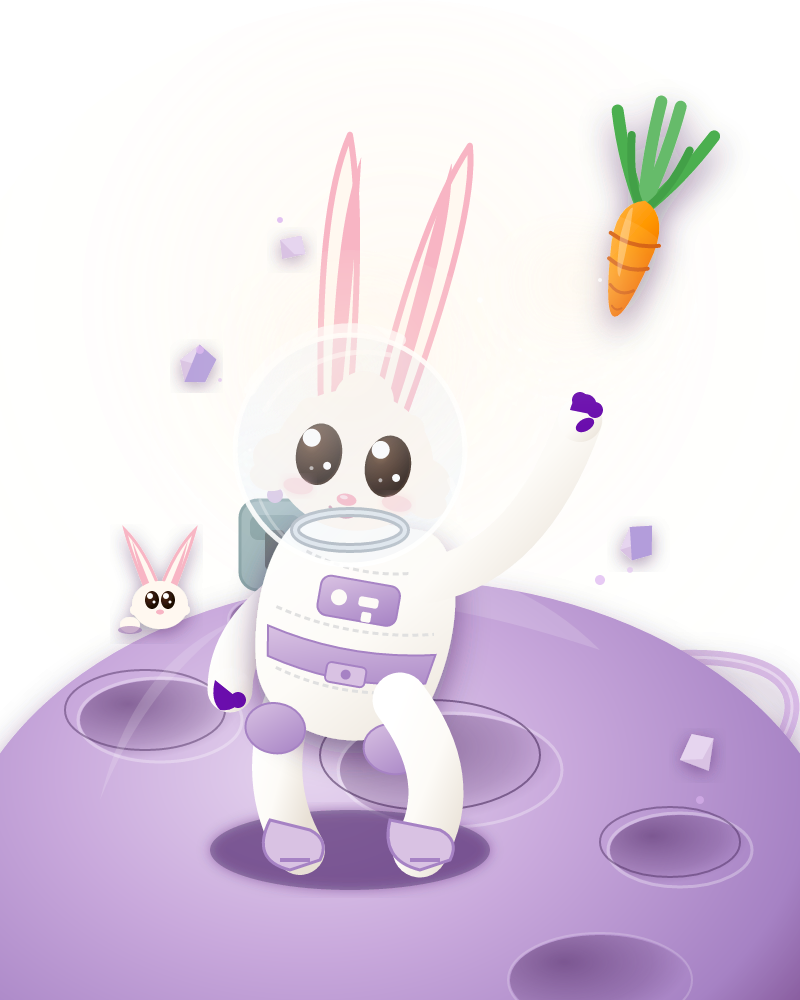
Bunny’s 29 September drawings look closest to GPT 6.1 Sol’s; our 27 September M3.1 Flash test drawings look different. Same subjects, different task instructions. Drawing style pointed us the wrong way. Benchmark tasks appear below each pair.
GPT 6.1 Sol: Glossy brown eyes, lilac suit fittings and layered helmet reflections bring these September 29 drawings closer together.
Qwen: The ivory suit and lavender moon feel familiar, but Qwen gives the rabbit a much longer arm, exposed ears and soft glow effects. Bunny’s compact proportions and helmet reflections have a different finish.
DeepSeek: Bunny’s helmet encloses its ears, the paw reaches the carrot, and the moon reads as a complete globe. DeepSeek’s ears protrude through the helmet, with a flatter suit and a very different pose.
MiniMax: Same carrot mission, different touch. Bunny’s expressive face, glassy helmet and layered suit have more care in the details.

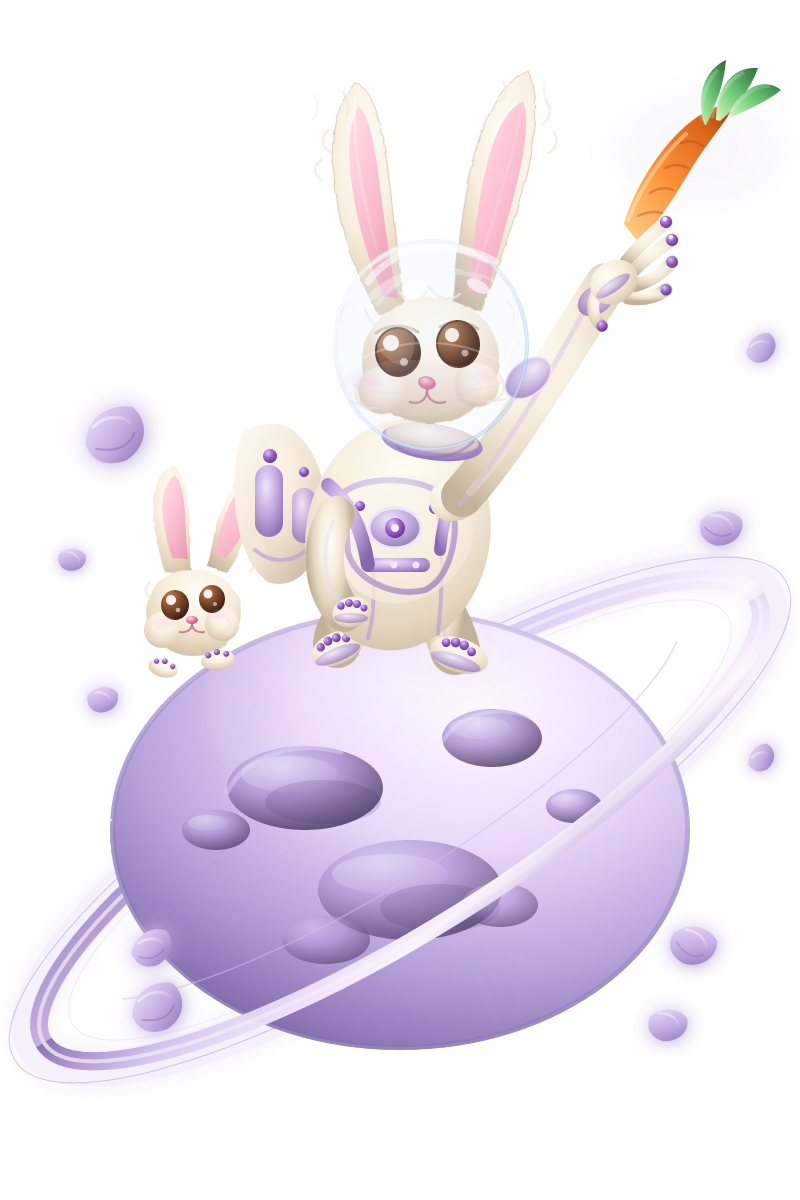


Space Bunny · before 29 Sep
An astronaut rabbit reaches for a carrot above a small moon while a younger companion peeks into view. The scene tests expressive characters, spatial relationships and material detail.
Space Bunny · 29 Sep 2026
An astronaut rabbit reaches for a carrot above a small moon while a younger companion peeks into view. The scene tests expressive characters, spatial relationships and material detail.
Qwen3.8 Flash
An astronaut rabbit reaches for a carrot above a small moon while a younger companion peeks into view. The scene tests expressive characters, spatial relationships and material detail.
DeepSeek V4 Pro
An astronaut rabbit reaches for a carrot above a small moon while a younger companion peeks into view. The scene tests expressive characters, spatial relationships and material detail.
GPT 6.1 Sol · 29 Sep 2026
An astronaut rabbit reaches for a carrot above a small moon while a younger companion peeks into view. The scene tests expressive characters, spatial relationships and material detail.
Qwen: Qwen builds a recognizable portrait, closer in structure than DeepSeek’s. Heavy mottled texture and blurred shading cover the face and hands; Bunny uses crisp features, separate fingers and clean dress folds.
DeepSeek: The clearest gap. Bunny draws a continuous figure with crossed hands and dress folds. DeepSeek’s face, torso and arms break into disconnected shapes.
MiniMax: Bunny gives her a more defined face, separate fingers and folds in her dress. Even a secretive smile needs good anatomy.

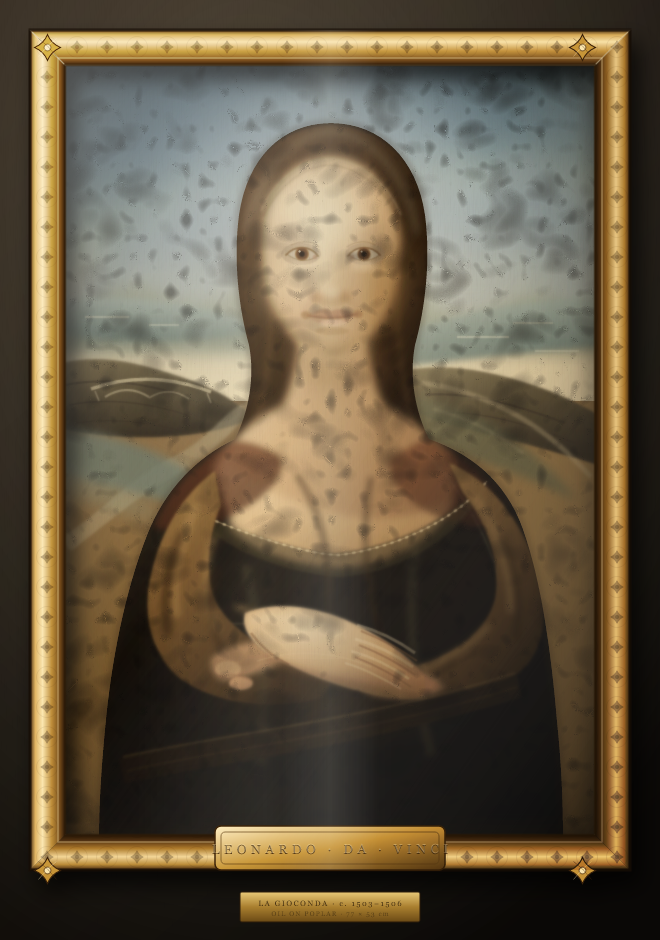



Space Bunny · before 29 Sep
An SVG interpretation of the Mona Lisa tests facial likeness, anatomy and the composition of a familiar portrait.
Space Bunny · 29 Sep 2026
An SVG interpretation of the Mona Lisa tests facial likeness, anatomy and the composition of a familiar portrait.
Qwen3.8 Flash
An SVG interpretation of the Mona Lisa tests facial likeness, anatomy and the composition of a familiar portrait.
DeepSeek V4 Pro
An SVG interpretation of the Mona Lisa tests facial likeness, anatomy and the composition of a familiar portrait.
GPT 6.1 Sol · 29 Sep 2026
An SVG interpretation of the Mona Lisa tests facial likeness, anatomy and the composition of a familiar portrait.
Qwen: The sunny cartoon cyclist is a closer visual neighbor. Qwen adds a scarf, fish basket and glossy gradients; Bunny’s outlined coastal scene and bird proportions still have a distinct hand.
DeepSeek: Both draw a recognizable pelican cyclist. Bunny uses clean outlines and a complete coastal scene; DeepSeek uses glossy shading, a dark backdrop and a busier chain assembly.


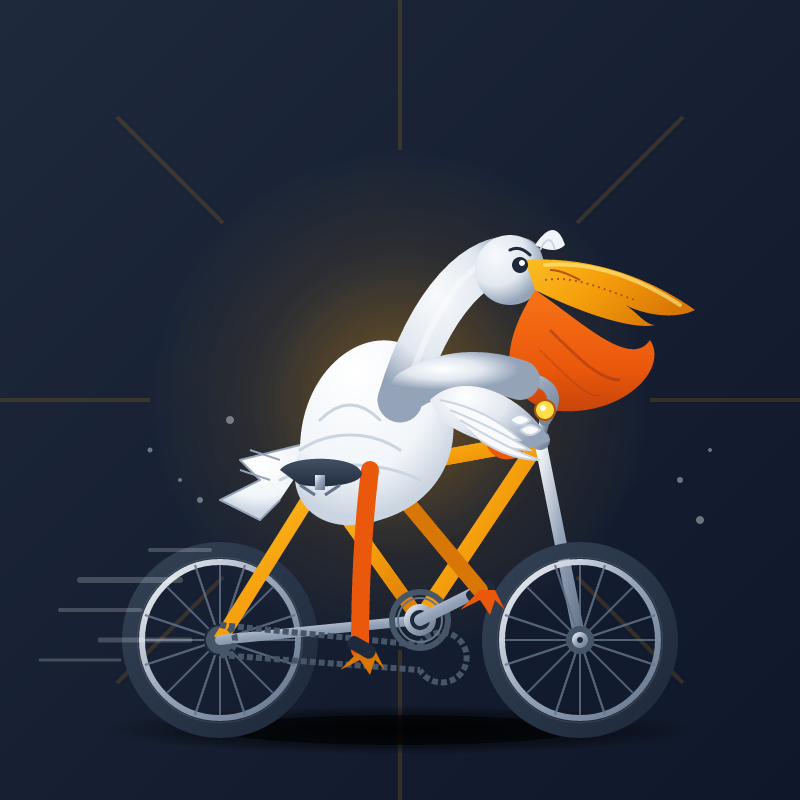
No result for this subject.

Space Bunny · before 29 Sep
A cycling pelican tests anatomy, riding posture and contact between the bird and the bicycle.
Space Bunny · 29 Sep 2026
A cycling pelican tests anatomy, riding posture and contact between the bird and the bicycle.
Qwen3.8 Flash
A cycling pelican tests anatomy, riding posture and contact between the bird and the bicycle.
DeepSeek V4 Pro
A cycling pelican tests anatomy, riding posture and contact between the bird and the bicycle.
GPT 6.1 Sol · 29 Sep 2026
A cycling pelican tests anatomy, riding posture and contact between the bird and the bicycle.
Qwen: Qwen gives both riders goggles and rounds the dog into a low, stretched pose. Bunny’s upright driver, clear handlebar grip and layered spray make a different scene from the same unusual request.
DeepSeek: Bunny’s riders, handlebars and wake form a clear scene. DeepSeek’s huge raccoon tail dominates the picture, while the dog, controls and jet ski overlap awkwardly.
MiniMax: Bunny makes the dog’s grip, the raccoon’s perch and the spray easier to read. An improbable journey, convincingly drawn.



Space Bunny · before 29 Sep
A jet-ski scene pairs a canine driver with a raccoon passenger. It tests the placement and contact of interacting subjects, along with vehicle construction.
Space Bunny · 29 Sep 2026
A jet-ski scene pairs a canine driver with a raccoon passenger. It tests the placement and contact of interacting subjects, along with vehicle construction.
Qwen3.8 Flash
A jet-ski scene pairs a canine driver with a raccoon passenger. It tests the placement and contact of interacting subjects, along with vehicle construction.
DeepSeek V4 Pro
A jet-ski scene pairs a canine driver with a raccoon passenger. It tests the placement and contact of interacting subjects, along with vehicle construction.
GPT 6.1 Sol · 29 Sep 2026
A jet-ski scene pairs a canine driver with a raccoon passenger. It tests the placement and contact of interacting subjects, along with vehicle construction.
Qwen: Qwen fills the beach with silhouetted people, torches, a campfire and small animals. Bunny puts expressive animals in the foreground, with a softer palette and more defined waves.
DeepSeek: Bunny fills the shore with expressive animals, outlined waves and reflections. DeepSeek places tiny animals across a broad, mostly empty beach beneath a glowing sunset.
MiniMax: Bunny’s Max beach keeps the playful animals and soft colors of its earlier trip. Flash goes for dark silhouettes and a dramatic sky: two very different ideas of shore leave.

Space Bunny · before 29 Sep
A busy shoreline at sunset tests scene composition, animal forms and the relationship between light and water reflections.
Space Bunny · 29 Sep 2026
A busy shoreline at sunset tests scene composition, animal forms and the relationship between light and water reflections.
Qwen3.8 Flash
A busy shoreline at sunset tests scene composition, animal forms and the relationship between light and water reflections.
DeepSeek V4 Pro
A busy shoreline at sunset tests scene composition, animal forms and the relationship between light and water reflections.
GPT 6.1 Sol · 29 Sep 2026
A busy shoreline at sunset tests scene composition, animal forms and the relationship between light and water reflections.
Qwen: closer, but no match. These drawings add no support to a close Qwen relationship. Qwen3.8 Flash’s style still differs, and the proposed Qwen4 Flash connection loses ground.
DeepSeek: the pictures pull the other way. Its weaker anatomy and different visual style weigh against an exact match, despite the close reasoning signature.
MiniMax: the family was right. Our four 27 September comparisons made an exact Flash match look unlikely. MiniMax calls Bunny an early version of M3.1 Flash, which fits a different checkpoint; the task instructions differ, so the drawings cannot prove it.
GPT 6.1 Sol: the closest drawings. The raccoon and beach scenes show the strongest resemblance; the selfie shares glossy eyes and reflective glass. The Mona Lisa differs more substantially. Similarity varies by subject, and the task instructions differ. MiniMax’s reveal shows that style resemblance was not shared identity.
Two dates, one codename. The 29 September drawings followed the behavior change our researchers observed that day. MiniMax has not said whether that change was a new stealth checkpoint.
04 PUT IT TO WORK
The stealth preview took screenshots and video, called your app’s functions and let you pick a reasoning effort.
Build your first request ↓Send a screenshot, diagram or video alongside your question. Space Bunny’s preview accepted text, images and video, and replied in text.
Your application can offer functions, such as finding a file or looking up a record. The model could request the right function and supply its arguments.
Choose MiniMax M3.1 Flash in OpenCode Go, or use the command builder below to start a coding task from your terminal.
The OpenRouter stealth preview supported JSON response format, without JSON Schema enforcement. MiniMax says M3.1 Flash weights will be released later; architecture, parameter count and training details remain undisclosed. MiniMax’s launch post ↗
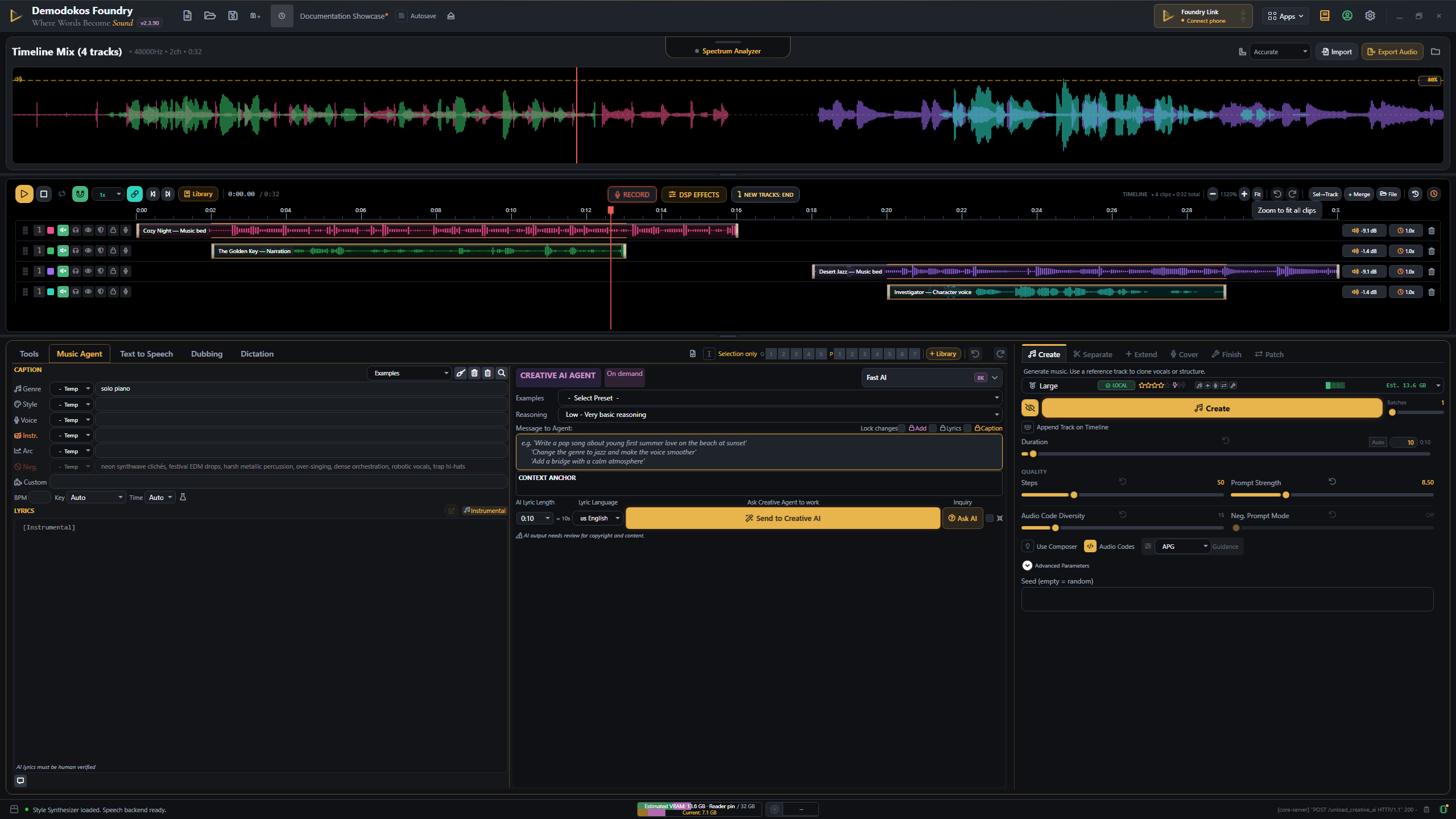
A STUDIO ON YOUR PC
Choose how each line is spoken. Add original music, expressive voices, translation and subtitles in the same local studio.
Scene 02 · Demodokos demo
05 THE LAUNCHPAD
The stealth routes have closed. MiniMax M3.1 Flash is on the MiniMax API at $0.15 per million input tokens and $0.60 per million output tokens.
MiniMax-M3.1-Flash$0.15 input, $0.60 output and $0.015 cached input per million tokens. Flat pricing. MiniMax also offers M3.1 Flash in M Plan and MiniMax Code.
MiniMax pricing ↗stealth/space-bunny-alphaSpace Bunny hopped off OpenRouter on . On 19 October OpenRouter brought it back as MiniMax’s M3.1 Flash, free for 72 hours.
OpenRouter’s reveal post ↗opencode-go/minimax-m3.1-flashSpace Bunny Free has left OpenCode. Its free MiniMax M3.1 Flash route has ended. OpenCode Go lists the model on a paid plan from $10 a month.
OpenCode Go ↗Install OpenCode first. These examples use its CLI to reach MiniMax M3.1 Flash on a Go plan.
OpenCode CLI guide ↗opencode run --model opencode-go/minimax-m3.1-flash -- 'Write a Python function that validates SRT timestamp order. Include three unit tests.'Access and prices checked . Read MiniMax’s launch post ↗
06 BEFORE YOU HOP
Space Bunny Alpha, also written space-bunny-alpha, was an anonymous AI model listed on OpenRouter on 23 September 2026. On 19 October 2026, MiniMax revealed it as an early version of MiniMax M3.1 Flash. The stealth preview accepted text, images and video and returned text, including code and tool requests. OpenCode listed it as Space Bunny Free.
MiniMax. Its 19 October 2026 launch post says: “Space Bunny 🐰, which processed more than 200 trillion tokens while operating anonymously, was an early version of MiniMax M3.1 Flash.” Our token-count study had already matched Space Bunny to MiniMax M3 on all 24 test phrases.
It was an early version of it. MiniMax calls Space Bunny “an early version of MiniMax M3.1 Flash,” which it released on 19 October 2026. MiniMax has not said whether the stealth model matches the M3.1 Flash Preview that MiniMax Code listed on 27 September, or the final release. Our benchmark results, SVG outputs and speed measurements all come from the stealth model. See what we measured.
Space Bunny Alpha scores 7.0/10 on AI BENCHY at high reasoning, 82.0% on our 60-question GPQA Diamond subset, 75% on MMLU-Pro in our evaluation and 46.1% on our 300-question subset of original HLE (approximate 95% CI: 40.4–51.8%). Browse the space-bunny-alpha AI BENCHY comparison, GPQA Diamond results, MMLU-Pro results and space-bunny-alpha HLE results for the model comparisons. All four were measured on the stealth model, MiniMax’s early M3.1 Flash.
Yes, especially for creative SVG work. Space Bunny Alpha’s SVG gallery shows expressive characters and thoughtful composition. In the SVG identity comparison, its faces, poses and material details are more developed in the portrait, selfie and jet-ski scenes. Its Max-reasoning beach rerun keeps the playful style of the earlier result. Explore the AI BENCHY and GPQA Diamond results for scored comparisons.
No. MiniMax made it. Our 30 September assessment proposed a router built around GPT-6.1 Sol, based on Harmony-style channel names and compressed developer turns in our probes. MiniMax’s reveal supersedes that assessment.
Our researchers saw a change. Before DevDay, Bunny’s visual style closely resembled GPT-6 Sol’s. Within hours of OpenAI releasing GPT-6.1 Sol, Bunny’s behavior changed abruptly and its visual style became strikingly similar to Sol 6.1’s. We inferred a reasoning-core upgrade; MiniMax’s reveal supersedes that inference. MiniMax has not said whether it switched stealth checkpoints that day. See the dated timeline.
Less than we thought. Our 30 September probe returned Harmony’s analysis, commentary and final channels, a fourth summary channel and a # Juice marker. We read # Juice as an OpenAI-specific reasoning-budget marker and made these clues central to our GPT router assessment. MiniMax’s reveal supersedes that reading; its statement does not explain why the markers appeared.
No. It measures similarity in visible reasoning habits across 48 prompts: DeepSeek V4 Pro scored 83.8 and V4.1 Flash 82.6. Space Bunny was MiniMax’s early M3.1 Flash, so the match shows shared habits, not shared identity. See the DeepSeek evidence.
Yes. Our token-count comparison matched MiniMax M3 on all 24 reported input-token increments; GPT 6.1 Sol matched 7. From 30 September we gave runtime clues more weight. MiniMax’s reveal shows the token counts pointed the right way.
MiniMax names one model: Space Bunny was an early version of MiniMax M3.1 Flash. Our earlier router assessment, with GPT reasoning, MiniMax-type input counts and a DeepSeek-style reasoning display, is superseded.
In our 30 September probe, earlier conversation turns appeared as compressed developer messages, and these summaries dropped the Space Bunny name within a few turns. That explains why later self-identification could differ from the opening turns.
Not as Space Bunny: its stealth routes have closed. MiniMax M3.1 Flash costs $0.15 per million input tokens, $0.60 per million output tokens and $0.015 per million cached input tokens on the MiniMax API. On 19 October OpenRouter brought it back free for 72 hours, a window that has closed, and OpenCode’s free route has ended. OpenCode Go lists it on a paid plan.
The OpenRouter stealth preview listed 1,000,000 context tokens and a separate maximum-completion ceiling of 524,288 tokens. Reasoning counted toward completion tokens. These are the preview’s listed capacities; check MiniMax’s documentation for M3.1 Flash limits.
Use its release, MiniMax M3.1 Flash, through the MiniMax API (MiniMax-M3.1-Flash), M Plan, MiniMax Code or an OpenCode Go plan. The access guide has commands and links.
Space Bunny Alpha returns text, including code. Demodokos is a separate local studio for music, speech and dubbing. Listen to the demo.
The OpenRouter stealth preview required reasoning and offered low, medium, high, xhigh and max efforts, with max as its default. Hiding reasoning text did not disable reasoning computation.
The speed summary shows OpenRouter’s median dashboard figures from 24 September 2026. The expandable OpenCode comparison uses TokenDyno’s 24-hour averages from a fixed writing task. Different routes, workloads and timing definitions produce different numbers; each result keeps its source and window attached. All of them measure the stealth model on its preview routes.
THE FLIGHT LOG
MiniMax revealed Space Bunny as an early version of MiniMax M3.1 Flash. Our 24/24 token-count match with MiniMax M3 pointed the right way; the GPT router assessment is superseded. M3.1 Flash is on the MiniMax API, OpenRouter brought it back free for 72 hours, and Space Bunny Free left OpenCode.
Free access continued on OpenCode for a few more days. OpenCode is sponsoring the extension while Bunny is tuned ahead of its reveal. OpenRouter access has ended.
OpenRouter announced removal for 5 October 2026. OpenCode remained listed, with provisional access.
Our assessment: a model fusion router with a GPT-6.1 Sol or Astra core. Harmony-style channel and context-compression findings led the evidence. Superseded by MiniMax’s 19 October reveal.
Before DevDay, Bunny’s visual style closely resembled GPT-6 Sol’s. Within hours of Sol 6.1’s release, its behavior changed abruptly and its visual style became strikingly similar to Sol 6.1’s. We read it as a reasoning-core upgrade, an inference the reveal superseded. Updated SVG benchmark results for Bunny and GPT 6.1 Sol. The earlier Bunny count test matches MiniMax on 24/24 phrases and Sol on 7/24. DeepSeek leads the earlier reasoning study. OpenCode’s preview was extended until at least 5 October.
Our M3.1 Flash SVG comparison weighed against an exact match. MiniMax later called Bunny an early version of M3.1 Flash.
OpenAI / GPT-OSS and MiniMax identity clues, model specifications, speed measurements and five SVG experiments.